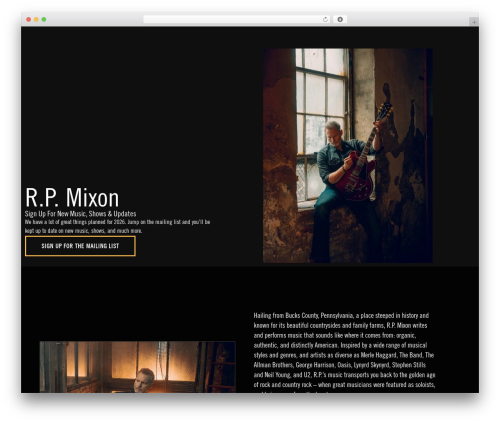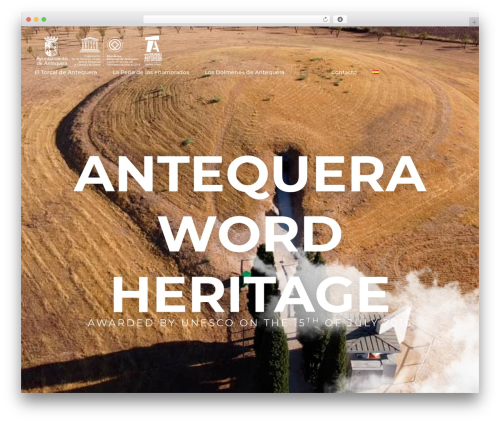
Phlox Pro is a premium WordPress theme from averta, built around Elementor and the developer's own Auxin plugin stack. It's been part of the theme ecosystem since 2018 and sits among the few hundred most used themes we track — not a breakout hit, but a steady, still-standing choice rather than something that peaked and vanished.
A theme designed to disappear behind Elementor
Phlox Pro isn't a standalone design system so much as a shell for Elementor plus a bundle of proprietary widgets called Auxin Elements. averta sells it directly rather than through the free WordPress.org repository, so you're buying a license, not downloading it for free. That licensing model is common for premium themes, but it's a distinction worth knowing before you search for it in your plugin directory and don't find it.
How the pieces actually fit together
Page building happens in Elementor; Phlox Pro supplies the portfolio layouts, magazine grids, WooCommerce hooks, and widget library on top of it. Looking at the plugin pairings we see across live installs, Elementor and Elementor Pro dominate, alongside averta's own Auxin Elements, Auxin Pro Tools, and Auxin Portfolio — meaning a real Phlox Pro build usually depends on four or five plugins working together, not just one theme file.
Who's actually building on it
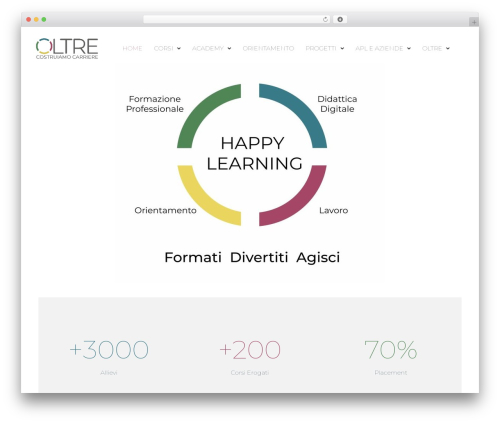
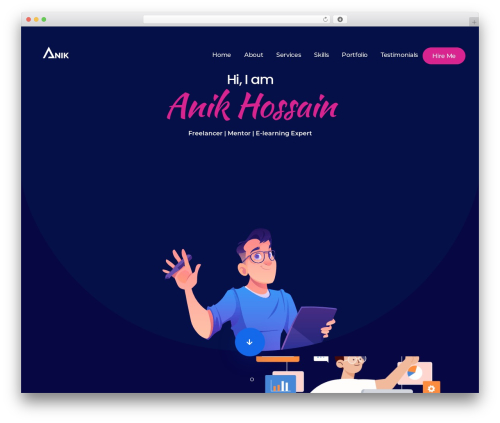
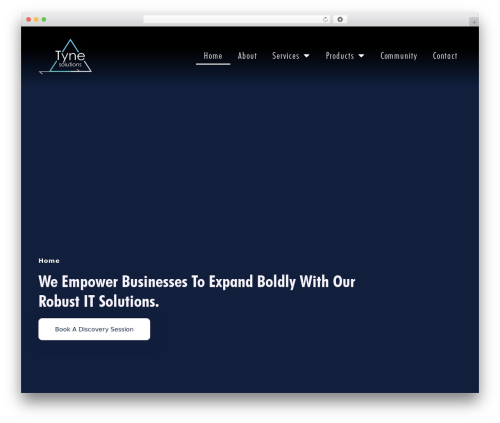
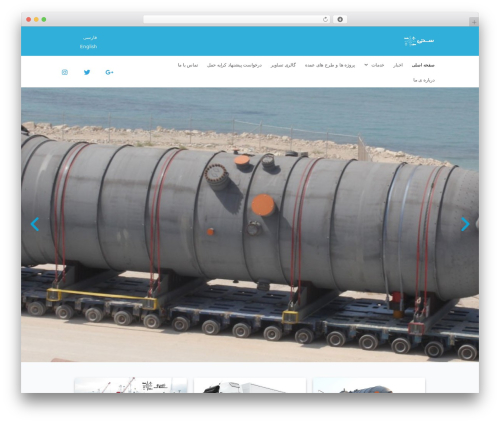
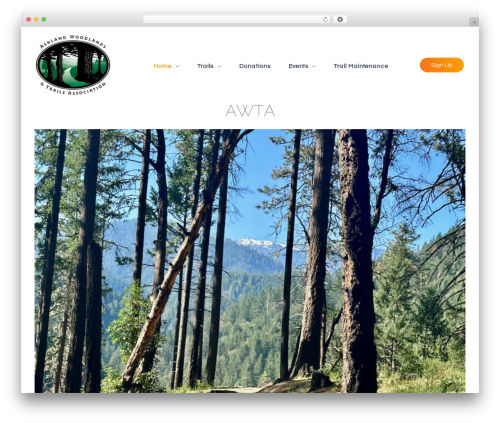
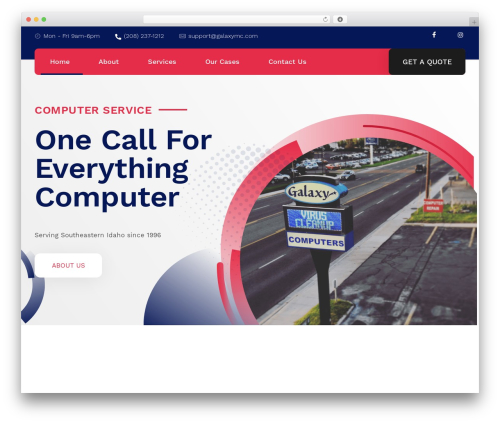
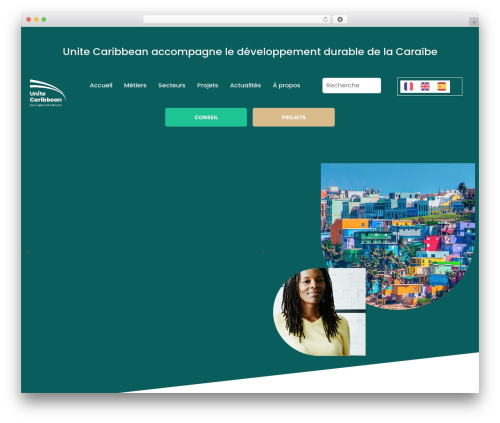
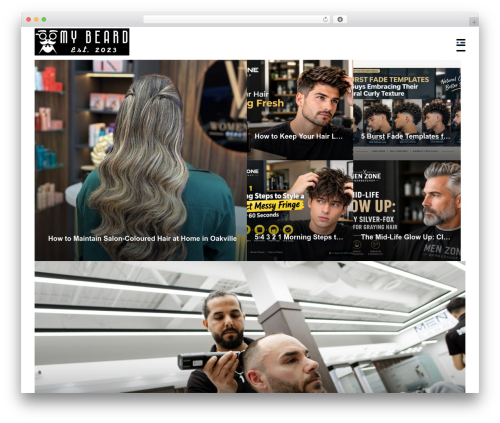
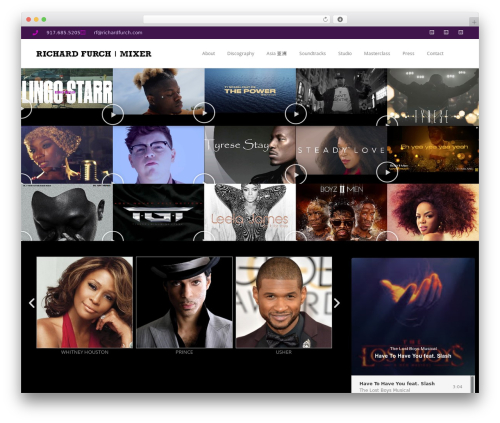
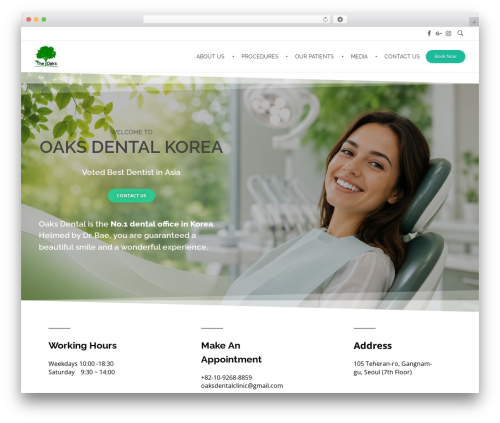
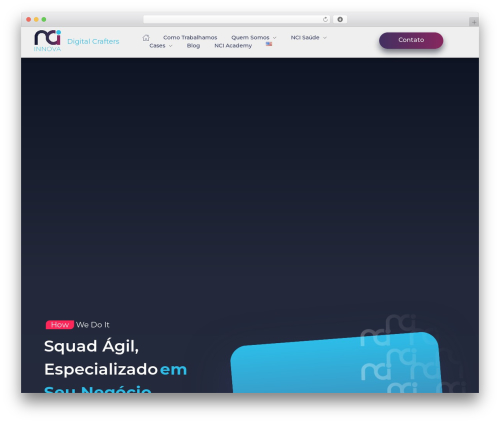
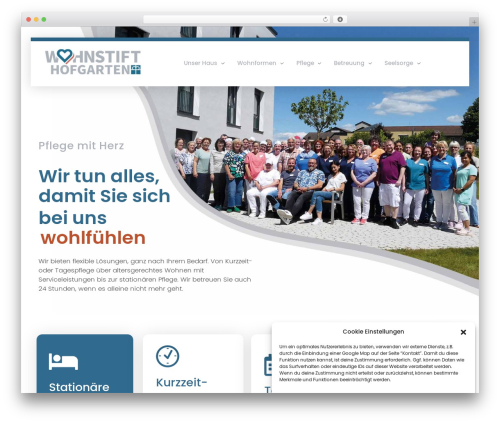
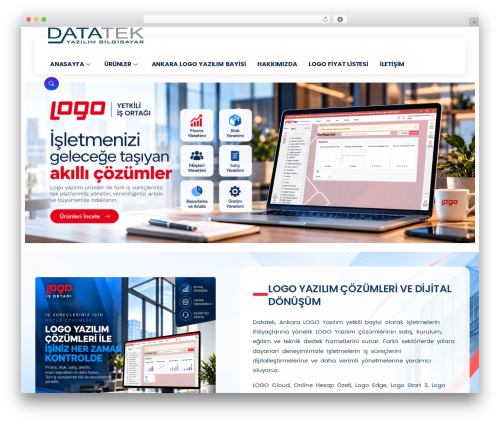
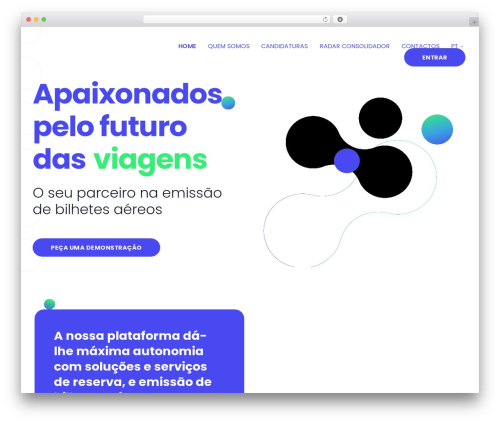
Studying the sites running it, services businesses make up the bulk of installs: marketing agencies, construction and trades firms, legal and finance offices, small software companies, and nonprofits all turn up repeatedly. Agency and marketing sites lead but far from dominate — this is a theme picked by small studios and consultancies more than by any single industry. English-language sites are most common, with a fair spread across Spanish, French, German, Italian, and Dutch installs too.
What holds up under inspection
The feature list is genuinely broad rather than padded: portfolio layouts, magazine templates, WooCommerce support, and translation-readiness all show up in actual builds, not just the sales page. Contact Form 7 and Yoast SEO pairing with it at high rates suggests owners treat these as working business sites, not abandoned demos. For a small agency or consultancy that wants a design-forward homepage without hiring a developer, that combination is a reasonable fit.
If Phlox Pro isn't quite right
If your priority is a news or magazine layout with heavier editorial tooling, JNews is built more specifically for that. If you want an Elementor-based design theme with a similar agency feel but different template variety, TheGem is a close competitor. Kava covers similar business-site ground through the Crocoblock/JetPlugins ecosystem instead. averta also sells a lighter sibling, Phlox, and a smaller theme called Lotus, though usage on that one is far thinner.
Where the sales page goes quiet
The bundled Auxin plugins are the catch nobody advertises: swap themes later and you lose the widgets that built half your layout, since they're proprietary to averta rather than portable. Usage has been holding steady rather than growing, which tells you it's not attracting the wave of new builders that Elementor-native themes now compete for. And because so much of the page is assembled from Elementor plus multiple add-on plugins, sites built on it tend to carry more moving parts than a lighter, block-based theme would.
A few things worth clearing up first
Is Phlox Pro free?
No. It's a premium theme sold directly by averta, so you're paying for a license and future updates rather than downloading it from WordPress.org.
What page builder does it use?
Elementor is the one you'll see paired with it overwhelmingly in live installs, alongside averta's own Auxin widget plugins that supply portfolio and magazine layouts.
How does it compare to TheGem or JNews?
TheGem covers similar Elementor-driven agency and business territory. JNews leans harder into news and magazine tooling, which Phlox Pro only partially supports.
Who should actually install this
Pick Phlox Pro if you run a small agency, consultancy, or trades business and want an Elementor-based site with portfolio and WooCommerce options out of the box, and you're fine paying for a license rather than using a free theme. Skip it if you want to avoid plugin lock-in, if your site is primarily editorial or news-driven, or if you'd rather build on a lighter, less plugin-dependent foundation — in those cases, look at JNews or TheGem instead.
Last updated 2026-11-28