UnderStrap combines the Underscores skeleton with the Bootstrap framework into a starter theme, not a finished design. Our analysis of live WordPress sites shows it has held a steady spot among the few hundred most used themes we track since 2018, with usage slowly growing rather than fading. It's raw material for developers, not a plug-and-play look.
A framework, not a finished design
Howard Development & Consulting built it to pair Underscores' clean markup with Bootstrap's grid, and it isn't in the free WordPress.org directory — it lives on GitHub instead. That distribution choice says who it's for: people comfortable pulling code from a repo, not shoppers browsing themes from the dashboard.
Who ends up using it
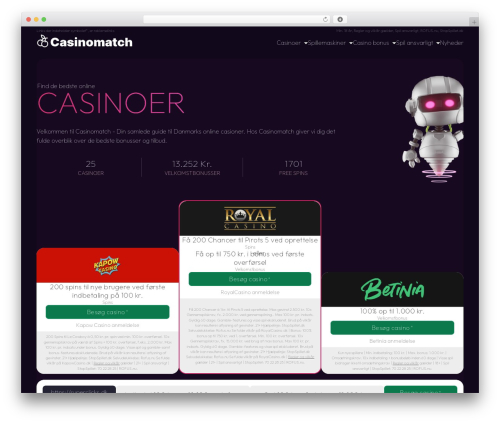
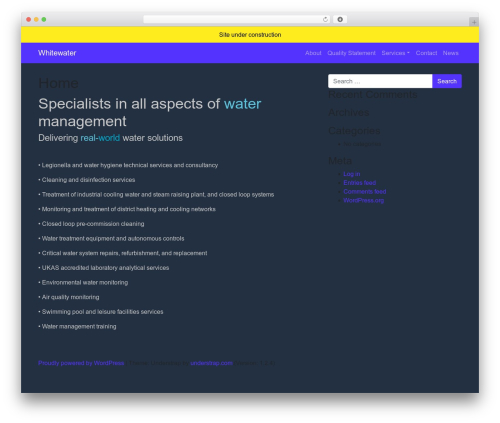
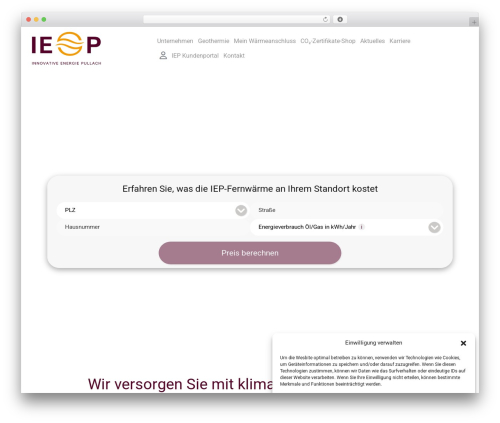
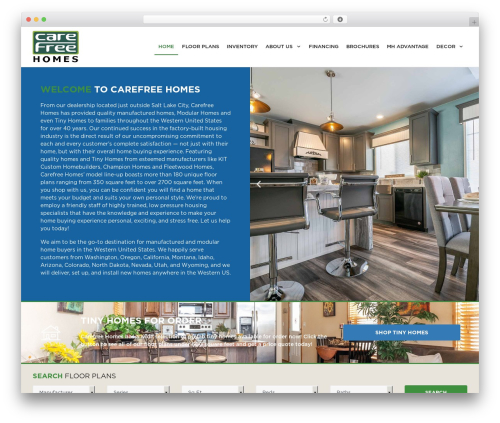
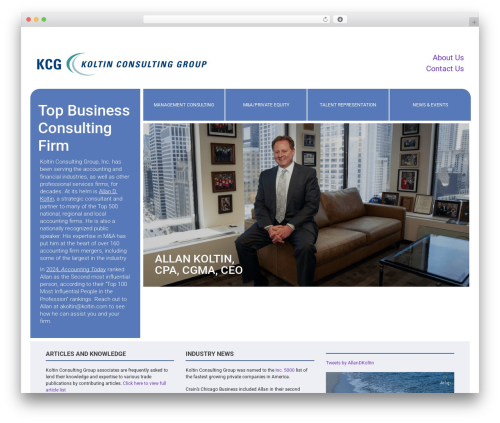
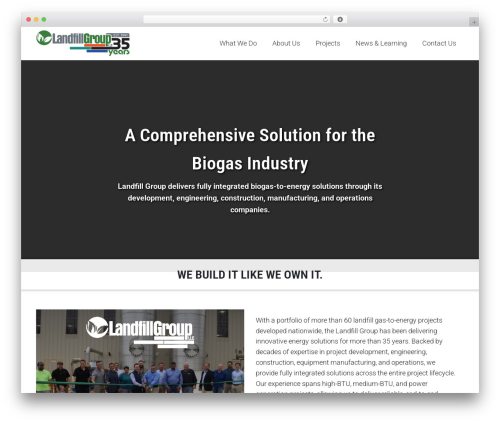
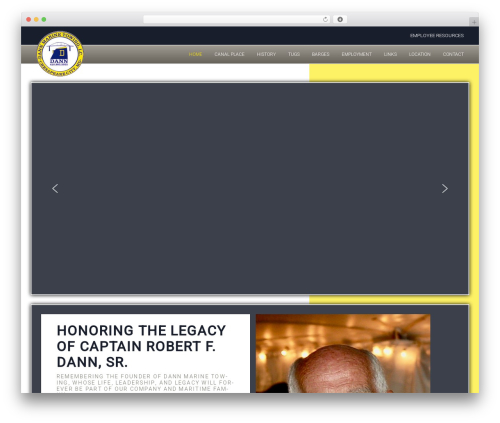
The sites running it lean toward services — legal and financial firms, medical practices, construction companies, agencies, and government pages, plus a solid nonprofit presence. None of these dominate; UnderStrap spreads across many industries. English leads the language mix, but German, Japanese, French, Polish and Dutch sites all appear in real numbers, pointing to a global developer base rather than one regional fad.
How it actually gets built
UnderStrap ships no design of its own — its long list of child themes confirms people build on top of it rather than run it bare. Contact Form 7 and Yoast SEO appear constantly, unremarkable on almost any theme. More telling: Elementor and Elementor Pro show up often, meaning developers bring their own builder instead of relying on Bootstrap components for layout. WooCommerce and older tools like WPBakery turn up too, hinting some installs have run quietly for years.
What holds up, what doesn't
The appeal is real: a Bootstrap grid is familiar to most WordPress developers, so a project starts fast, and the pile of child themes means nobody designs a homepage from scratch. The codebase has stayed stable since we began tracking it.
The catch: none of this suits a site owner without a developer. There's no drag-and-drop story, and once a builder like Elementor gets layered on, any lightweight edge disappears. Skipping the WordPress.org directory also means no built-in update checks or review trail.
If UnderStrap isn't quite right
Want conversion-focused pages without touching Bootstrap classes? Thrive Theme Builder leans harder into marketing and funnels out of the box. Customify suits a smaller, less code-heavy site — its customizer-driven approach fits local businesses better than a framework meant to be forked. PopularFX sits closer to UnderStrap's builder-friendly territory but skips the GitHub step entirely. The author's other listed theme, NewTheme, sees only a sliver of UnderStrap's usage, so it isn't really a fallback in-house.
Before you decide
Is UnderStrap free?
Yes, it's open source, just not listed in the WordPress.org directory — you grab it from GitHub, so there's no one-click install or automatic update notice.
Does it include a page builder?
No. It gives you a Bootstrap grid and Underscores markup. Most sites we see pair it with Elementor or an older tool like WPBakery for actual layout.
Is it good for an online store?
WooCommerce shows up on a modest share of these sites, so it can work, but plan on extra template work rather than an out-of-the-box shop.
Who this actually suits
UnderStrap makes sense for a developer or small agency building a custom site for a law firm, clinic, nonprofit or government client who wants a sane starting grid rather than a finished template. It's the wrong pick for a blogger or store owner without technical help who expects a theme to look done the moment it's activated.
Last updated 2026-11-27